
The Sustainability Communicator 4-Part Guide: Part 3: Say It Without Getting It Wrong: Communicating Credibly and Avoiding Greenwashing

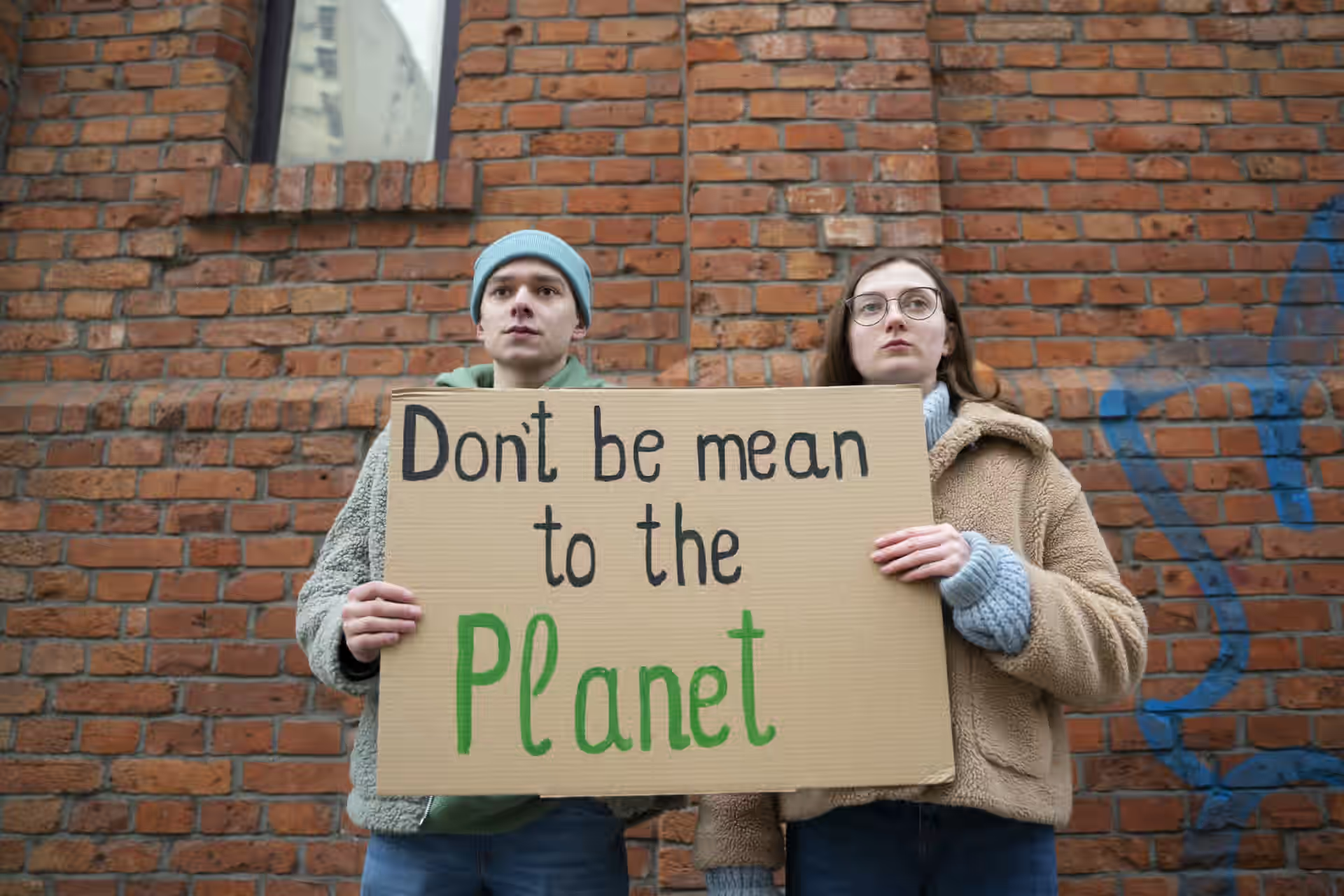
Ever wondered where the word greenwashing came from? Believe it or not, it started in a hotel bathroom. Back in 1983, environmentalist Jay Westerveld noticed a hotel encouraging guests to reuse their towels to help save the planet, while the resort was clearing large areas of land for expansion. The towel message was not necessarily wrong. Reusing towels really can save water and energy. The problem was that the bigger picture did not match the claim.
That lesson still matters today. One green initiative does not make a business sustainable. Real credibility comes from being able to back up your claims with measurable action and evidence. Small actions are good, but they need substance behind them, and this guide is about how to communicate in a way that carries that substance every time.
The Habits of a Credible Claim
The difference between a claim that builds trust and one that invites scepticism comes down to a handful of habits. None of them require eloquence. They require evidence and honesty.
- Be specific rather than sweeping. A precise figure will always outperform a broad adjective. “We cut our operational emissions by a measured amount over twelve months” says more than “we are passionate about the planet.”
- Talk about what you have done, not what you intend to do. Completed actions are facts. Intentions are hopes. Both have their place, but only one builds credibility, so lead with achievement and be clear when you are describing an aim.
- Show the evidence behind the statement. Reference your measurement, your method and your independent verification. A claim that can be checked is a claim that will be believed.
- Acknowledge what is still ahead. Being open about the parts of the journey you have not yet completed makes everything you have achieved more believable, not less.
The Traps to Avoid
Greenwashing is rarely deliberate. More often it is the result of enthusiasm running ahead of evidence. The common traps are worth naming so you can steer around them. Vague language such as “eco friendly” or “green” without definition invites the wrong kind of questions. Highlighting one small initiative while staying silent on a much larger impact repeats the original towel mistake. Claiming outcomes you have not measured, or reductions you cannot substantiate, leaves you exposed the moment someone asks how the figure was reached. And leaning on future ambition, net zero by some distant year, without a credible plan behind it, reads as aspiration dressed up as achievement.

Why Measurement Is Your Best Defence
Almost every greenwashing trap disappears when your claims rest on verified data. This is the practical value of the NCZ process. When your footprint has been measured across all three scopes to ISO 14064 compliance and independently assessed, you are no longer guessing at your impact or reaching for adjectives to fill the gap. You can state what you measured, how you measured it, and what changed, and every part of that statement holds up under scrutiny.
Certification does something subtle but powerful here. It moves the credibility of your claim from your own word to an independent one. That is why certified businesses find communication becomes straightforward rather than nerve wracking. The fear of getting it wrong falls away, because the checking has already been done.
How NCZ Keeps You on Solid Ground
NCZ works as a long term carbon partner rather than a one off calculator. Our certification pathway, from Blue Award through to Gold and Platinum, ensures your claims are always backed by current, independently verified data. As your progress is reassessed year on year, your communication stays anchored to real figures, so you are never caught claiming more than you can evidence. Where offsetting forms part of your strategy, we provide access to Gold Standard, Verified Carbon Standard and UN CDM certified credits, so any balancing of unavoidable emissions is transparent and defensible too.
Conclusion
Credible communication is a skill, and a surprisingly learnable one. Be specific, talk about what you have done, show your evidence, and be honest about what is still ahead. Do that, and greenwashing stops being a risk you fear and becomes a mistake you have simply designed out. In Part 4, we look at how to make all of this a lasting habit rather than a one off effort.
Related Blogs
Speak to our team
Start integrating sustainability now into your business, one step at a time with independent third party verification from NCZ.